Most people booking a junk removal pickup have at least one item they are not sure about. The old fridge in the garage or maybe that box of paint cans in the basement. While most household items can be picked up without any issue, there are some objects that just aren’t candidates for collection.
Why the Answer Varies More Than Most People Expect
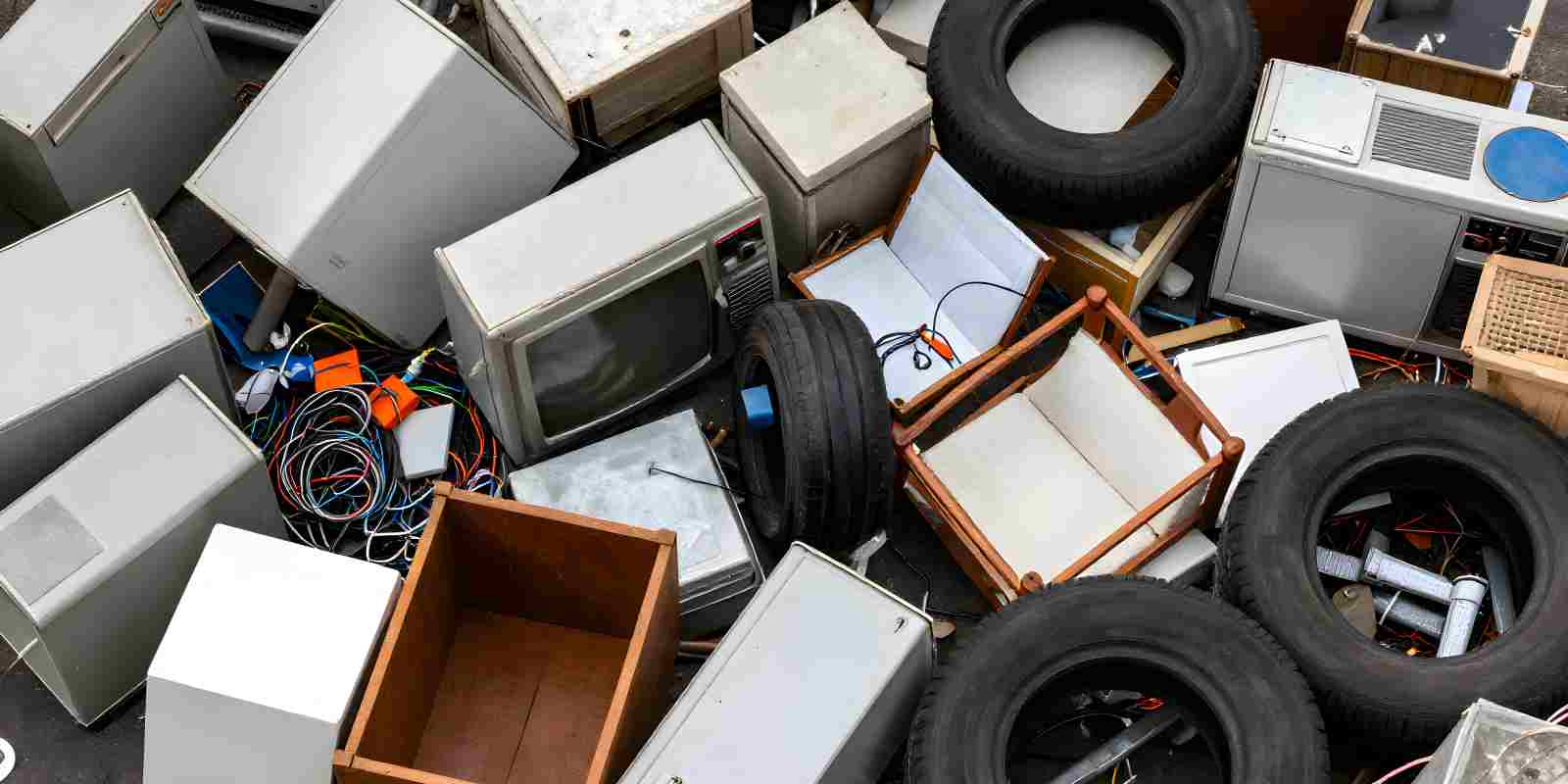
A junk removal crew can handle furniture, appliances, electronics, mattresses, and general clutter. Items that cannot be taken are excluded because they need specialized handling, and removal requires specific licenses and disposal methods.
For example, a residential junk removal services crew working with a certified appliance processor can take your old refrigerator. That’s because the processor handles refrigerant recovery before the unit is scrapped.
What 123JUNK Will and Won’t Accept in the D.C. Metro Area
Here is a quick reference before you book a junk removal schedule. Anything in the “No” column needs a separate plan before the crew arrives.
| Item | Accepted by 123JUNK | Notes |
| Furniture (sofas, tables, dressers) | Yes | Donated when in usable condition |
| Appliances (washers, dryers, fridges) | Yes | Recycled through appliance processors |
| Mattresses and box springs | Yes | Diverted through mattress recyclers |
| Electronics (TVs, computers, monitors) | Yes | Recycled responsibly, not landfilled |
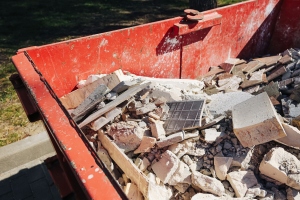
| Construction debris (drywall, lumber, tile) | Yes | Accepted for most renovation cleanouts |
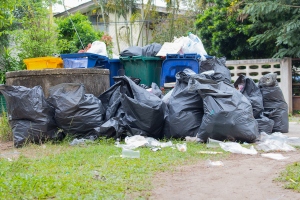
| Yard waste and brush | Yes | Confirm local composting options |
| Tires | No | Require specialized tire recyclers |
| Paint and liquid chemicals | No | Classified as hazardous materials |
| Propane tanks and gas canisters | No | Require licensed hazmat disposal |
| Asbestos-containing materials | No | Require a licensed abatement contractor |
| Medical or biohazard waste | No | Require a licensed medical waste service |
The Items That Usually Require a Conversation
A few categories fall somewhere between a straightforward yes and a flat no. Not everything fits cleanly into the accepted or not-accepted column. Where they fall depends on the quantity, the condition, and the type of materials. These case-by-case items are worth communicating before you book a service, so there are no surprises when the crew arrives.
Construction debris is accepted for most renovation cleanouts. Drywall, lumber, tile, and similar materials from a bathroom or kitchen project are standard. Construction debris in large quantities, though, may require a different logistics arrangement. If your project falls on the larger end, a quick call before booking helps set realistic expectations on both sides.
Paint is another gray area. Dried, solid paint in a can is generally accepted. It is no longer a liquid hazardous material and can be disposed of through standard removal. Liquid paint is a different matter. It is classified as a hazardous material regardless of how much is left in the can. Half-full gallons from a recent project need to go to a household hazardous waste program. Most counties in the D.C. Metro area run drop-off events or year-round facilities for exactly this situation.
Yard waste and brush are acceptable. But note that local composting options vary by jurisdiction across the D.C. Metro area. It’s worth confirming what the guidelines are in your community when you call.
What to Do with Items That Fall Outside the Scope
The items in the not-accepted column are not turned away as a matter of preference. A standard junk removal crew is not licensed or equipped to handle hazardous materials.
- Asbestos removal requires a certified abatement contractor with specific training and safety protocols.
- Propane tanks and gas canisters are taken care of by licensed hazmat handlers.
- Medical and biohazard waste requires licensed medical waste services with proper containment and disposal procedures.
These are legal requirements, not simply company policy. Disregarding them would put the crew, the public, and the environment at risk.
Most hazardous materials have dedicated drop-off programs across Northern Virginia. Fairfax County, Arlington County, and surrounding jurisdictions run household hazardous waste collection events. Many of these are organized on a regular basis. Drop-off facilities also receive hazardous materials on a year-round basis. These are free for residents and cover most of the materials that fall outside standard junk removal.
If you are unsure whether the items you have qualify for a standard pickup, calling 123JUNK is the easiest way to find out. The team can tell you whether the item is accepted, and if it is not, they can point you toward the right local resource for it. There is no obligation to schedule. It is just a straightforward answer before you commit to anything.
How 123JUNK Handles Everything It Does Accept
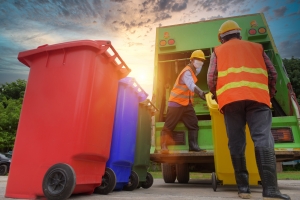
A lot of homeowners hold onto things longer than they need to because sending them to a landfill feels wasteful. The Donate-Recycle-Dispose process is the answer to that.
Usable items get a second life, and recyclables are processed properly. The old washer goes to a certified appliance recycler, while the couch in good condition goes to a local family through a Northern Virginia charity. Furniture removal and appliance pickup are part of every standard job, and they are handled the same way every time.
Only what is left goes to disposal. One job with three different outcomes, depending on what each item still has to offer.
Schedule Your D.C. Metro Junk Removal Pickup
If you have a specific item you are not sure about, a call before booking gets you a straight answer. No commitment needed, no guesswork on the day of the job. Contact 123JUNK today to confirm whether your items qualify for junk removal in the D.C. Metro area and to schedule a pickup at your convenience.
