Most Northern Virginia homeowners calling around for junk removal quotes are focused on one thing: price. What’s usually not front of mind is who carries the liability when the disposal goes wrong.
The gap in quality between a permitted, insured crew and a cheap, unmarked truck is not insignificant. Homeowners on the hunt for the best deals need also to consider what happens when something goes wrong with the disposal, the items, or the hauler.
What Improper Disposal Actually Means in Virginia
In Virginia, improper disposal is not limited to roadside dumping. Putting banned items in curbside carts and exceeding county weight limits are violations under state and local regulations. Another violation under these rules is hiring an unlicensed hauler.
Virginia Code 10.1-1418.1 places a direct duty on every person to dispose of solid waste through legal channels. That duty does not transfer to the hauler automatically when you hand over cash. If a hauler disposes of the material improperly, the liability and legal exposure can fall on the property owner who hired them as well.
What the Penalties Actually Cost
Before deciding if the cheap truck is the better deal, see what you could actually be on the hook for.
| Violation | Exposure | Authority |
| Dumping on public or private property | $500 to $2,500 fine, plus up to 12 months jail | Virginia Code 33.2-802 |
| Improper disposal of solid waste | Civil penalty up to $5,000 | Virginia Code 10.1-1418.1 |
| Contracting an unpermitted collector | County civil penalties | Fairfax County Code Chapter 109.1 |
| Dumped material left on your lot | County removal cost, then a property lien | Fairfax Clean Streets Initiative |
| Venting refrigerant during disposal | Federal civil penalties | Clean Air Act Section 608 |
Every figure in this table is a statutory range or maximum set by law. What any individual case costs depends on the court, the county, and the circumstances. The consequences for violations are very real.
Hiring an Unpermitted Hauler Puts the Liability on You
Fairfax County requires refuse collectors to hold a Certificate to Operate under Chapter 109.1 of the county code. Contracting with a company that does not hold that certificate is itself a code violation, subject to civil penalties.
This is not a technicality. A homeowner who hands cash to an unlicensed hauler takes on a piece of the legal risk for whatever happens to that material next. If the material gets dumped on someone else’s property, the paper trail starts with you. The same applies if the trash contains regulated items and gets traced back to your address.
Before booking for junk removal in Northern Virginia, check the Fairfax County list of permitted solid waste collection companies. Arlington, Alexandria, and Loudoun County each have their own ordinances and permit requirements. Verify with the relevant jurisdiction before booking anyone.
How Dumped Material Becomes Your Problem to Pay For
One of the less obvious risks of improper disposal is what happens when someone else dumps on your property. The liability does not stay with the person who left the trash.
Under the Fairfax County Clean Streets Initiative, a property owner is notified when trash or debris is left on their lot. They get 10 days to clear it. If the material is not removed in that time, the county steps in, removes it, and sends the owner the bill. If that bill goes unpaid, a lien is placed on the property.
Being the victim does not automatically shield you from the cost. Virginia Code 10.1-1418.1 gives a landowner who has been dumped on the right to sue for cleanup costs, court costs, and reasonable attorney fees, but that requires hiring a lawyer and going to court. It is much easier to not be in that position in the first place.
Appliances and Electronics Carry Separate Rules
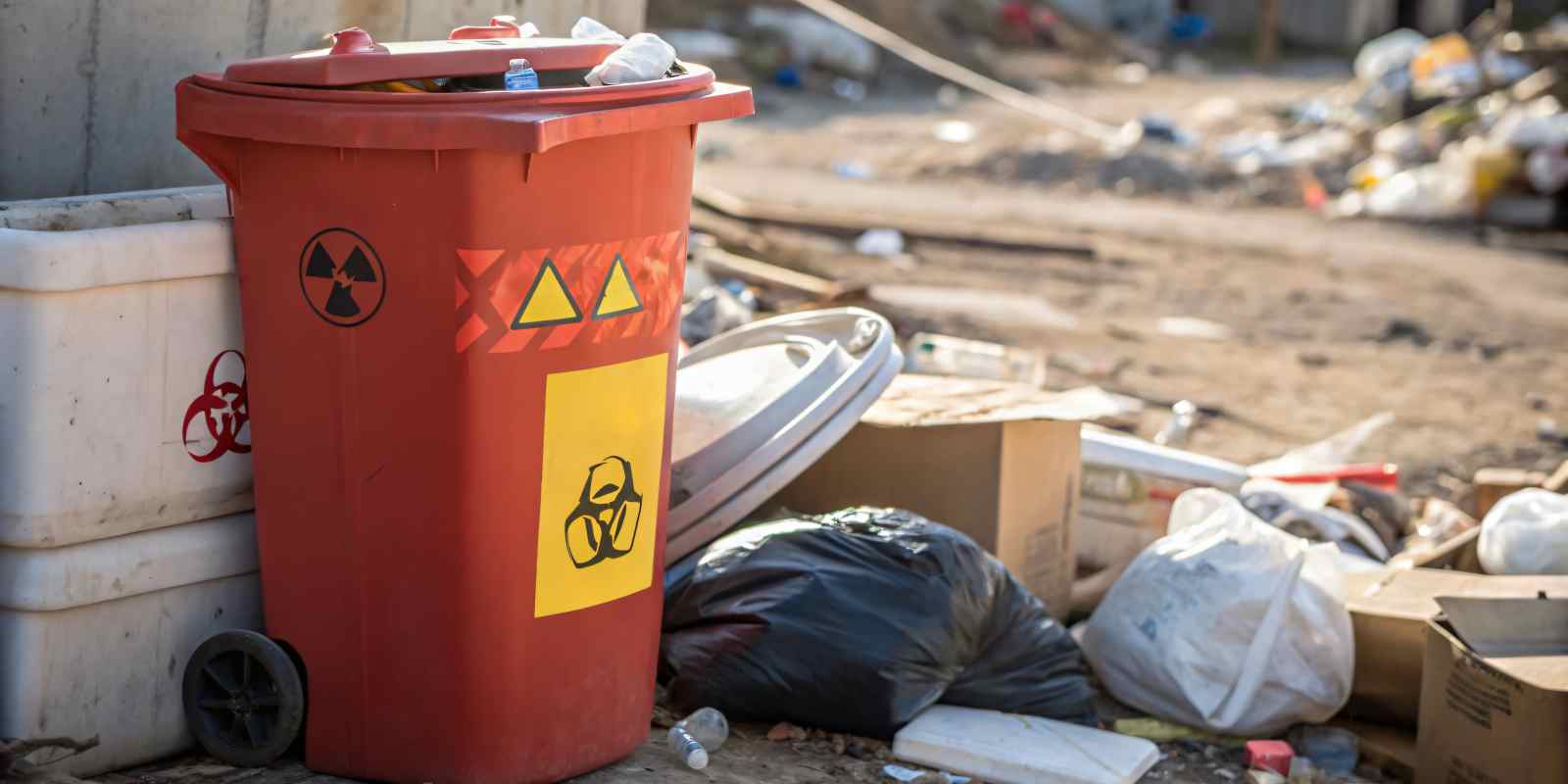
Refrigerators, air conditioners, and other appliances containing refrigerants are not standard junk. Under the Clean Air Act Section 608, refrigerant must be recovered using certified equipment before an appliance is disposed of. The final disposer must confirm and document that refrigerant recovery happened before the unit goes anywhere.
A cash-only hauler with no documentation process cannot provide that confirmation. If the refrigerant is vented rather than recovered, federal civil penalties are attached to the violation. The homeowner who hired the hauler is not automatically shielded from that chain of custody.
A permitted crew with documented recycling practices provides the paper trail the law requires, while a cash-only hauler most likely cannot.
Doing It Right Costs Less Than Doing It Twice
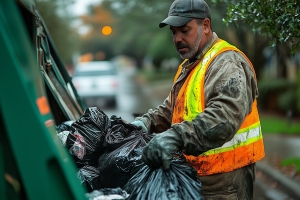
A permitted crew handles your pickup with full insurance coverage. They route usable goods to donation centers before disposal, all for a single upfront price. That price covers labor, fuel, disposal, donation drop-offs, and insurance, with no second trip and no county cleanup bill waiting weeks later.
The cost of junk removal done wrong can include fines, county removal fees, liens, legal costs, and the time spent sorting out a problem that a permitted pickup would have prevented entirely.
Before booking, ask for three things: the permit or Certificate to Operate number, proof of general liability and workers’ compensation coverage, and a written description of how items will be disposed of, donated, or recycled. Do not consider a company that cannot answer all three.
The Donate-Recycle-Dispose process that 123JUNK uses for every job is documented precisely because documentation distinguishes responsible disposal from the kind that generates bills months later.
Schedule Permitted, Insured Pickup Across Northern Virginia
123JUNK has held its permits and operated with full insurance across Northern Virginia since 2008. Every pickup uses upfront, volume-based pricing, and usable items are donated before anything is disposed of.
Schedule your pickup or contact the team to confirm your items and get a quote before any work begins.
Note: Disposal regulations, permit requirements, and penalties vary by jurisdiction and change over time. Confirm current rules with your county before making disposal decisions.
