
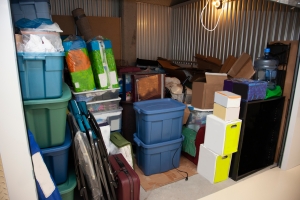
Years of paying for a storage unit can make it difficult to remember why the space seemed necessary in the first place. A storage unit cleanout moves higher on the priority list when you’re no longer sure what’s inside, what still has value, or what belongings are simply taking up space because nobody has sorted through them.
Boxes packed years ago may remain unopened, while furniture saved for future use may never leave storage. Responsibility for the unit doesn’t always stay with the original renter, either.
Family members sometimes take over after a move to assisted living, a downsizing project, or a death in the family. Before tackling a storage unit cleanout yourself, compare the cost of truck rental, labor, transportation, and disposal with the price of hiring a professional crew.
Professional removal becomes more practical when the unit contains heavy furniture, requires multiple disposal trips, or must be emptied before a facility deadline.
What the Unit Costs Every Month
StorageCafe reported that a 10×10 storage unit in Washington, D.C., averaged $168 per month in October 2026. The national average for a 10×10 non-climate-controlled unit was $119.
At that rate, storage costs can exceed $2,000 a year. A monthly bill may seem manageable on its own. Adding up 12 months of payments tells a different story.
Some units still contain belongings connected to a renovation completed years ago. Others hold furniture that never found a place in a new home. Family members sorting through a relative’s storage space may find belongings nobody realized were still there.
When annual storage costs exceed the value or usefulness of what remains in storage, a cleanout deserves serious consideration.
Signs It Is Worth Hiring Out
Mattresses, dressers, appliances, file cabinets, and exercise equipment require considerably more effort than expected when viewed from the doorway of a storage unit.
The challenge extends beyond lifting heavy items. Finding enough space in your vehicle to haul everything out can be just as difficult. Travel between the storage facility and donation or disposal locations adds time and transportation costs, particularly when multiple trips are necessary.
Moving large furniture safely may require several people. A move-out deadline can create additional pressure. Donation sorting takes time, while recyclable materials require separate handling. Disposal requirements may also vary depending on the material involved.
Crews remove the contents, transport suitable items for donation or recycling, and haul away the remaining debris. They also clear the unit after removal. Instead of renting a truck and making separate trips to donation centers and disposal facilities, customers can have the contents removed through one scheduled service.
When Rent Falls Behind

Virginia law gives storage facility owners a lien against property stored in a unit when rent, labor charges, or other eligible fees remain unpaid. Notice to the occupant is required before lien enforcement begins.
Once the facility begins its lien enforcement process, renters may have fewer opportunities to retrieve their belongings before a sale or other authorized action. Retrieving important belongings early gives you more control over what stays, what gets donated, and what gets removed. Arranging storage unit junk removal before enforcement actions proceed also reduces the likelihood of rushed decisions.
Storage units managed on behalf of a relative deserve careful review. Financial records may sit beside furniture destined for disposal, while family photographs can share shelf space with unopened boxes. Legal documents and personal keepsakes deserve identification before anything leaves the facility.
Sorting for Donation and Recycling
Walk through the unit before removal begins and identify belongings the family wants to keep, items suitable for donation, and materials that require disposal. Separate items the family wants to keep from those suitable for donation or recycling. Set aside broken furniture and other materials that cannot be reused or recycled for disposal.
Colored stickers, simple labels, or designated areas can keep everything organized and prevent confusion later. The system becomes especially useful when multiple family members participate in the cleanout.
Furniture in good condition, household goods, books, clothing, and décor may qualify for donation. Recycling programs may accept electronics, appliances, or metal materials. Broken furniture and debris that no longer have a practical use require disposal instead.
What Hiring a Crew Covers

Removing everything from a storage unit involves more than the quoted hauling price, and a DIY cleanout includes easy-to-overlook expenses.
Truck rentals, fuel costs, disposal fees, travel time, and physical labor all contribute to the overall cost of emptying a storage unit. Looking at those expenses together provides a more accurate comparison between DIY work and professional cleanout services.
123JUNK’s pricing is based on the amount of truck space used. Every estimate includes labor, fuel, and disposal costs. Customers are not charged hourly rates, travel surcharges, or fuel surcharges.
Our Donate → Recycle → Dispose™ process prioritizes donations to local organizations, directs suitable materials to recycling, and removes remaining debris for proper disposal. With some of the largest trucks in the industry, 123JUNK can empty many storage units in fewer loads. Crews handle all the lifting, loading, transportation, donation deliveries, recycling coordination, and disposal, so customers don’t have to arrange separate services.
Contact 123JUNK at (866) 616-9924 or online to schedule a storage unit cleanout. Upfront, volume-based pricing makes it easier to plan the job and clear the unit without handling the logistics yourself.
