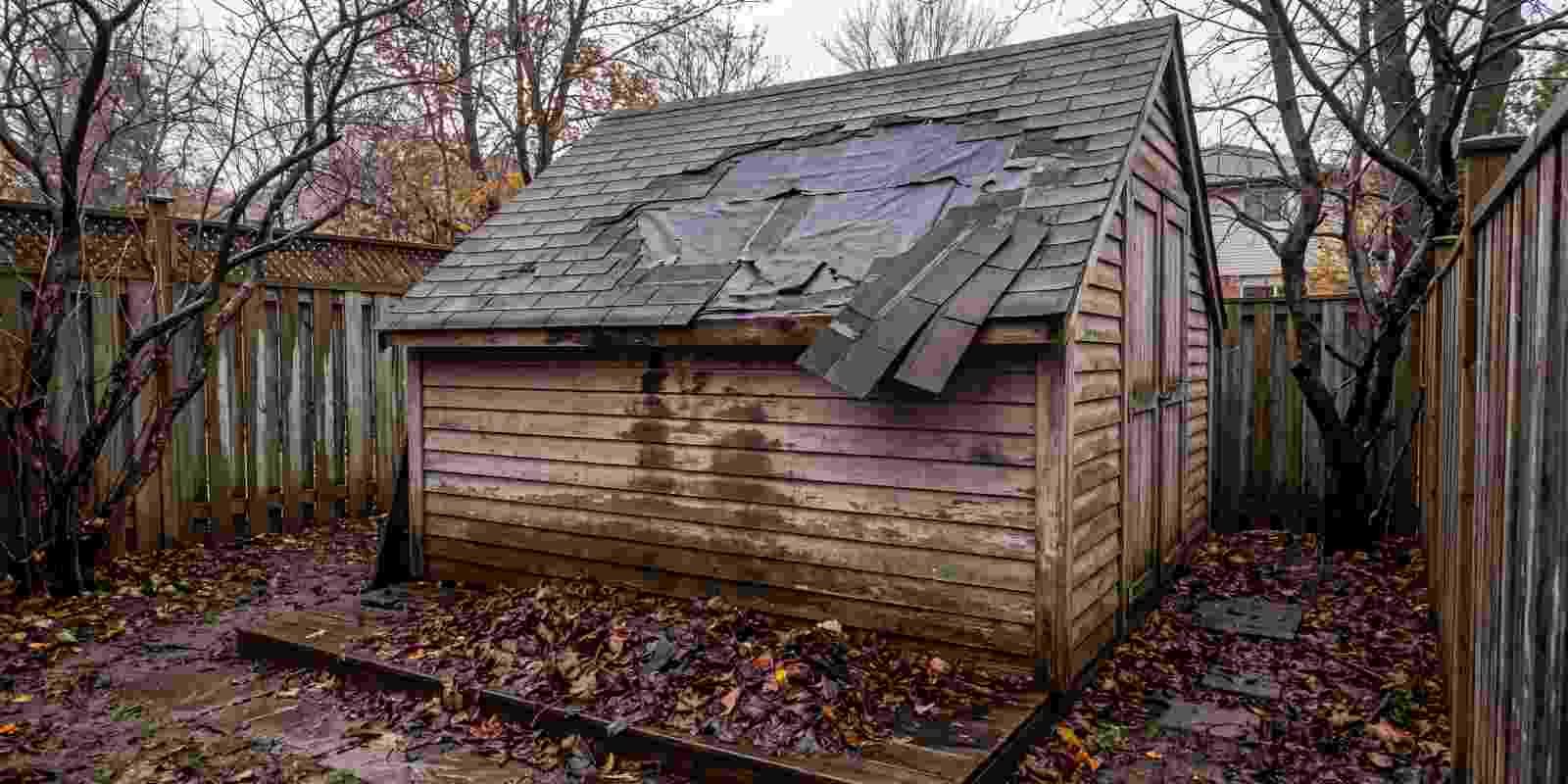
Professional shed removal costs depend on the structure’s dimensions, construction materials, foundation, and accessibility. An aging backyard shed may contain deteriorating wood, damaged roofing, or accumulated belongings that affect the labor and hauling required. Homeowners planning a property cleanup should account for these conditions when requesting a removal estimate.
Shed removal may be only one piece of a larger cleanup project for residential homes or commercial properties.
What National Pricing Shows
Angi estimates professional shed removal costs at $250 to $3,000 nationally, with square-foot pricing generally ranging from $3.50 to $11.50. The final amount depends on the structure’s size, construction materials, foundation, and accessibility.
Cost rises alongside square footage because larger structures produce more debris that must be dismantled, loaded, hauled away, and processed.
Two sheds with the same footprint can require very different amounts of work. Easy driveway access and a simple skid foundation create a different scope than a fenced yard with a concrete slab or extensive water damage.
Smaller garden sheds generally require less labor and truck capacity than workshop-sized outbuildings. Additional square footage increases debris volume and extends the amount of time required for loading and transportation.
How Material Changes the Job
Material selection affects demolition and disposal requirements even when two sheds occupy the same footprint. Wood sheds contain framing lumber, plywood, asphalt shingles, shelving, windows, doors, and hardware. Once disassembly begins, crews must separate and load a mixture of materials. Structural deterioration can also affect how sections are removed and handled.
Metal sheds require a different approach. Sharp panels and exposed fasteners can create safety concerns during demolition, particularly when working with lightweight sheet metal. In some situations, metal components may be directed to recycling facilities rather than disposal sites.
Plastic and resin sheds introduce another variable. While these structures are generally lighter than wood construction, large molded panels can take up substantial truck space after disassembly. As a result, hauling requirements remain an important part of the overall shed demolition cost.
When requesting an estimate, include the primary construction material. Accurate material information helps establish labor requirements while also clarifying disposal needs and truck capacity estimates.
Foundations, Access, and Permits
Concrete changes the scope of a shed removal project. Angi identifies foundation type as a major pricing factor because breaking up and hauling a slab adds labor, weight, equipment requirements, and disposal costs.
Access conditions can also affect the quote. Parking next to the structure reduces carrying distances and speeds up loading. Narrow gates, steep grades, retaining walls, long carry distances, and fenced yards require additional handling because every piece of material must travel farther before it reaches the truck.
Local regulations deserve attention before scheduling demolition work. Angi recommends checking with the appropriate building department regarding shed removal requirements before a project begins. Permitting rules vary by jurisdiction, particularly if electrical service or larger structures are involved.
Throughout Washington, D.C., Northern Virginia, and Maryland, property owners should verify local requirements directly with municipal offices rather than relying on assumptions or information from neighboring jurisdictions.
Clearing the Contents First
Stored items can add unnecessary time to a removal project. Emptying the structure before demolition lets the crew focus on teardown, hauling, and site cleanup.
Certain materials require separate disposal. Fairfax County advises residents to keep products such as pesticides and oil-based paint out of standard disposal streams because those items are handled through household hazardous waste programs.
Many sheds contain belongings that still have useful life remaining. Bicycles, hand tools, outdoor furniture, and yard equipment may qualify for donation rather than disposal. Through charity partnerships, reusable items are routed to organizations that accept donated goods and distribute them within the community.
Before removal day, separate hazardous materials from general contents and identify items suitable for donation. Completing those steps in advance creates a clearer work area and can reduce the amount of material headed to disposal facilities.
Getting an Accurate Quote
An accurate estimate starts with a clear picture of the shed and the work involved. Sharing the following details can help produce a more accurate estimate:
- Provide the shed’s approximate length, width, and height so the provider can estimate the amount of material involved.
- Identify whether the structure is made of wood, metal, or plastic, and indicate whether it rests on a concrete slab or another base.
- Describe access gate widths, slopes, stairs, nearby walls, and the distance between the shed and the truck parking area.
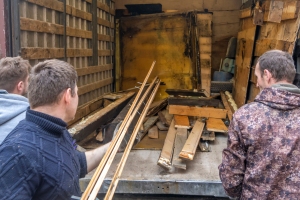
123JUNK uses volume-based pricing that includes labor, fuel, disposal costs, donation deliveries, and insurance within a single upfront price. Instead of coordinating separate demolition and hauling vendors, property owners receive one quote that reflects the complete scope of the project. We’ve been helping community residents and businesses since 2008.
Homeowners in Washington, D.C., Northern Virginia, and Maryland can contact 123JUNK for an upfront estimate based on the volume of material to be removed. Call (866) 616-9924 to discuss the project and find out which items may qualify for donation or recycling. The team can explain the available services and pricing before work begins.
