
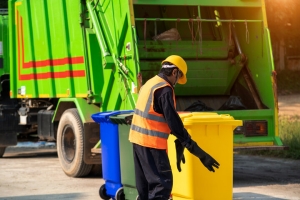
Property management in D.C. looks different in 2026. Apartment communities, office properties, and homeowners associations are under pressure to keep buildings clean, move residents in faster, and avoid sanitation issues that can quickly draw the wrong kind of attention.
Junk removal in Washington, D.C. has shifted from a routine maintenance task into a practical strategy for protecting property value, reducing operational headaches, and keeping day-to-day operations running smoothly.
| In This Article: Find out how waste rules, rodent concerns, turnover delays, and property appearance can affect revenue and resident satisfaction across D.C. properties. You’ll also see why full-service removal helps managers keep units in demand while avoiding clutter that can create larger problems. |
The 2026 D.C. Waste Landscape: No Room for Error
D.C.’s waste environment has become increasingly structured. In 2026, the CLEAN Collections Act mandates that private collection properties maintain adequate trash and recycling capacity and be in compliance with regular collection schedules.
Multifamily communities and commercial properties are expected to maintain organized waste management systems that support source-separation requirements.
Rodent activity has also become an issue of major concern across the District. DC Health guidance points to sanitation and debris control as part of efforts to reduce rodent activity. Piled furniture, discarded mattresses, loose bags, and abandoned household items can create attractive nesting and feeding areas.
Property managers want fewer complaints, fewer sanitation concerns, and fewer situations that attract unwanted attention. Professional hauling provides a direct path to getting unwanted materials off residential property without leaving visible piles along sidewalks and alleys.
The Liability of the Curb Pile vs. Done-For-You Labor
A pile of discarded furniture sitting outside may seem like a temporary eyesore, but leaving unwarned items in a public space could lead to substantial fines and other negative consequences.
The $10,000 Risk of Illegal Dumping
District law imposes substantial fines for commercial illegal dumping and unlawful disposal. Civil penalties can reach up to $10,000 in certain situations related to improper waste disposal. Properties face greater risk when large abandoned items are not removed, because they can create hazards, attract pests, and cause ongoing maintenance problems.
Property managers dealing with tenant move-outs often have limited time between inspections, maintenance scheduling, and incoming residents. Unwanted items left sitting outside create exposure nobody wants attached to their property.
The Rat Abatement Factor
Rodent populations thrive around cluttered environments. Furniture covered in fabric, cardboard boxes, loose trash bags, and debris can create shelter and provide access to food for pests.
123JUNK’s full-service labor is a cleaner process in line with D.C. rat abatement strategies. Crews remove items directly from apartments, offices, basements, storage rooms, and loading areas straight to the truck.
Bulky items and loose materials should be removed promptly rather than left on sidewalks, in alleys, or in other shared areas for extended periods.
Curb Appeal and Tenant Retention
Visual appearance affects how residents and prospective tenants feel about a property. The leasing office can look polished and common areas can be spotless, but visible junk outside creates a different and lasting impression.
Office landlords understand that appearance matters as vacancy rates remain elevated in parts of Washington. Apartment managers are working through similar pressures. Residents renewing leases often pay attention to small details involving cleanliness and upkeep.
A clean property exterior gives residents, visitors, and owners the sense that the community is being managed with care and attention.
Maximizing Net Operating Income Through Rapid Turnover Logistics
Vacant units create carrying costs every day they remain unavailable. Recent D.C. apartment data puts average monthly rents above $2,200, which translates to roughly $76 per day before additional operating expenses are factored in.
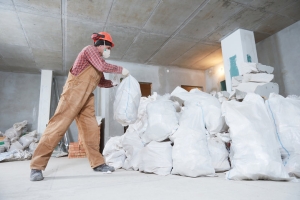
Dealing with tenant belongings often creates delays between final walkthroughs and maintenance work. Cleaning crews, painters, flooring teams, and leasing staff may end up waiting for unwanted items to disappear.
123JUNK crews can arrive in line with final inspection schedules and clear units within hours, improving apartment turnover logistics. Cleaning and maintenance teams can move forward immediately rather than waiting for dumpster coordination and municipal scheduling, which can often stretch the timeline by several days.
Navigating D.C. Logistics: Alleys, Loading Docks, and Permits
District properties come with unique logistical challenges. Georgetown alleys, historic buildings, loading zones, service elevators, and busy urban streets rarely provide much room for error.
Roll-off containers placed in public spaces can involve permit requirements and added coordination. Mobile removal crews streamline the process because material moves directly into the truck during scheduled service windows.
Professional crews also understand unique building procedures. High-end properties often maintain strict security requirements, service elevator schedules, and quiet-hour expectations that require careful handling.
Compliance with D.C.’s 80% Diversion Goal
Property owners increasingly pay attention to where materials end up after removal. District goals around waste diversion emphasize reuse and recycling efforts.
Handling Banned Items (E-Waste and Tires)
Electronics present one common challenge. Computers, televisions, printers, and similar items cannot simply go into ordinary trash collection streams.
123JUNK follows recycling protocols in line with the electronic waste disposal ban in D.C. that are designed to separate materials appropriately and reduce landfill waste whenever possible.
The Corporate Social Responsibility Advantage: Donate-Recycle-Dispose
Giving back to the community matters for many property owners and management groups. Furniture and usable items can continue serving a purpose after leaving a property.
123JUNK’s Donate-Recycle-Dispose process helps support local organizations while reducing waste. Donation activity also creates opportunities for owners seeking to meet Environmental, Social, and Governance (ESG) initiatives and community impact goals.
Comparison: Professional Removal vs. Bulk Pickup
| Feature | Professional (123JUNK) | D.C. Bulk Pickup / Curb |
|---|---|---|
| Location | Inside-unit / basement removal | Curb placement |
| Schedule | Same-day or next-day availability | Extended scheduling timelines |
| Labor | Full-service crew | Staff or property personnel involvement |
| Fine Risk | Contained transfer process | Greater sanitation and dumping exposure |
| Diversion | Donation and recycling focuses | Limited material handling |
Protect Your Property and Your Bottom Line

Curb piles are part of an older approach to property management. Sanitation concerns, turnover delays, visual clutter, and compliance pressures create unnecessary risk for managers of apartment communities and commercial properties.
Specialized junk removal companies in Washington, D.C. provide property managers with a clear path to faster turnovers and stronger building operations. Our team at 123JUNK handles the heavy lifting with transparent pricing, local expertise, and our Donate-Recycle-Dispose process that supports responsible material handling across the District.
Start your 123JUNK B2B partnership today. Schedule a priority property assessment and see why property managers across D.C. trust our red trucks to keep buildings clean, organized, and ready for what’s next.
