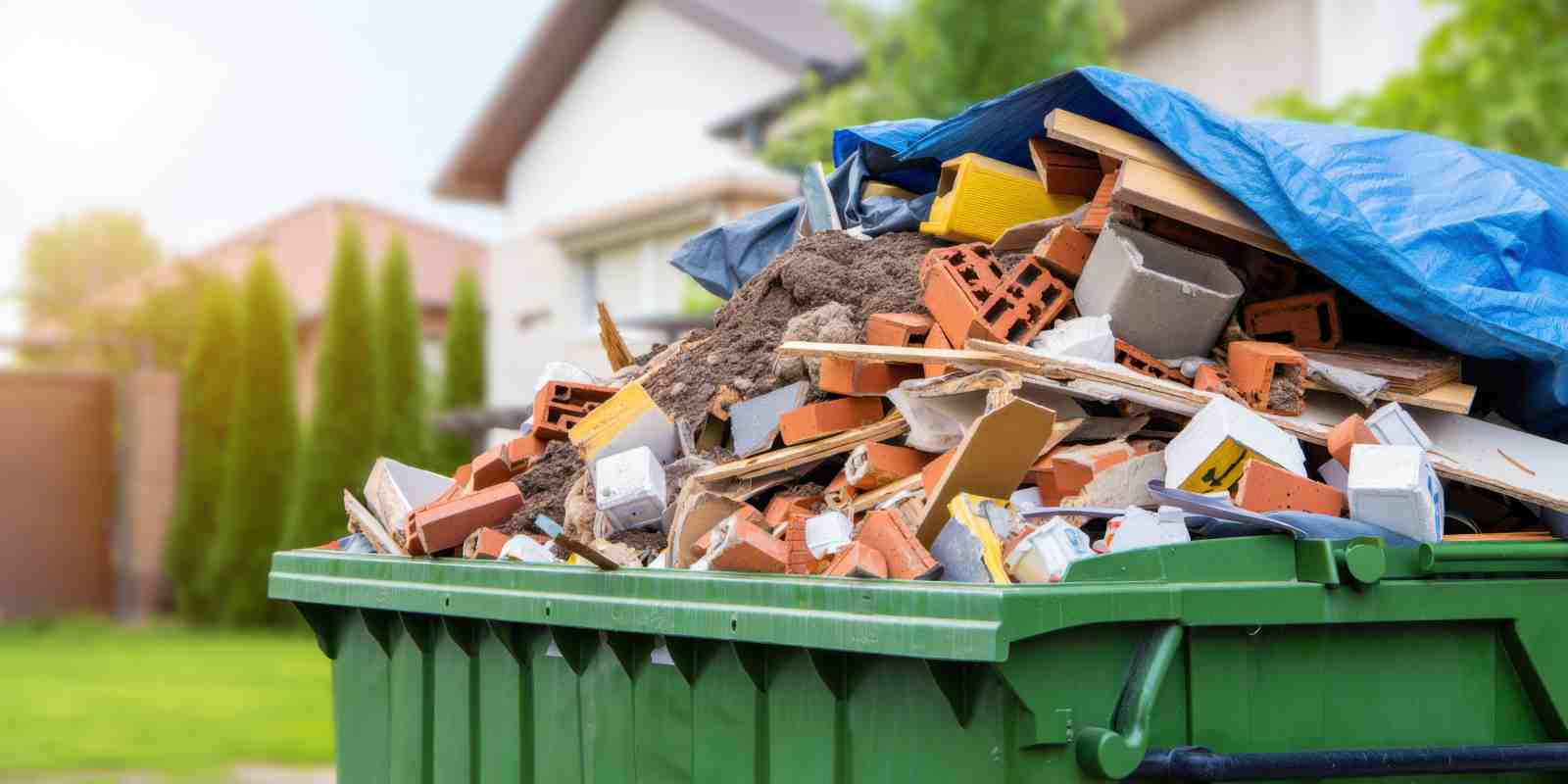
Renovations are exciting as they transform spaces, but the piles of discarded material are not as welcome and can linger if you don’t have a plan.
Homeowners completing a remodel often need to remove debris after a home renovation, and many want options that protect property surfaces, avoid local rule surprises, and balance sustainability with convenience.
After any renovation or remodel, multiple waste types sit in that final pile. Knowing how to stage, sort, donate, recycle, or schedule debris pickup can lighten the load during the renovation and cleanup. This blog shares what the professionals know about debris removal which actually starts before the project does.
| In This Article: Learn how homeowners can sort renovation scraps into clear material groups, choose donation or recycling over landfill when possible, avoid common DIY hauling problems, and use debris hauling services for a single, property-friendly pickup that keeps renovation debris removal safe, efficient, and in line with local post-renovation cleanup rules. |
Identify The Types Of Renovation Debris You’re Dealing With
Understanding the types of debris generated by a renovation can better help you stage, lift, and route materials into the right waste or recycling channel. The most common material types from kitchen, bath, basement, or whole-home projects are consistent, making early group separation a strong first step.
The following materials are most frequently collected by homeowners preparing for repairs, upgrades, or seasonal home projects:
- Wood products: Framing lumber ends, subfloor portions, trim, shelving, broken cabinetry, and cabinet carcasses.
- Drywall and plaster: Gypsum board scraps, plaster chunks, joint compound buckets, and bagged compound powder bags.
- Metals: Nails, screws, copper wiring, steel studs, plumbing pipes, ductwork, door hardware, and working appliances.
- Tiles and stone-like minerals: Broken tile, grout, mortar, stone remnants, and concrete-like chunks used in backer boards or wall leveling.
- Insulation: Fiberglass batts, foam board portions, and any loose-fill bags.
- Packaging: Cardboard boxes, pallets, packing foam blocks, plastic wrap, and shrink films that arrive around cabinets, fixtures, or appliances.
Different facilities and haulers sort these families separately because lifting weights vary and contamination rules differ. For example:
- Drywall dust spreads easily: Sealed bags help
- Mineral debris is dense: Keeping it away from driveway edges avoids chips
- Metals are heavy and sharp: Closed-top boxes or rigid bins can help reduce potential puncture hazards
Sorting debris matters for both speed and landfill diversion. Construction and demolition activities produced about 600 million tons of debris in 2018 alone, showing the volume scale this type of waste occupies in landfills. Wood and steel are major parts of that total.
Paper and paperboard materials, including cardboard, have recycling rates above 68% nationally, making this group one of the cleanest diversion streams when kept dry and unpacked.
Cleanup crews load trucks or roll-off containers faster when piles are pre-placed by material category. Additionally, quotes are easier to compare when volume is visible, and materials sit in separate groupings.
Know What Can Be Donated, Recycled, Or Disposed Of
Renovation cleanups also include many fixtures or materials that still have service life. Donation and recycling routes lower landfill submissions. When using a debris removal service, ask about any donation groups they may partner with.
Donation-Ready Materials & Fixtures
Donation centers such as Habitat for Humanity ReStore resell reusable building materials and fixtures to fund community housing. Items that often meet store rules include:
- Kitchen cabinets that are solid, dry, mold-free, and built in a way that keeps doors and drawers attached and functional.
- Interior and exterior doors or storm doors that are undamaged and free from lead paint coatings.
- Working lighting fixtures, cabinet hardware, knobs, pulls, plumbing fixtures, and door hardware that remain safe and functional.
- Unused or lightly used flooring boxes (tile, hardwood, laminate, vinyl plank) that are clean, dry, and still something a neighbor could install without cutting or glue residue.
- Working appliances, shelving, and reusable furniture that remain safe and clean enough for resale or neighbor pickup.
Donation acceptance is often likely when the item is something you would consider buying second-hand; community partners accept things that are safe, functional, and visually serviceable.
High-Priority Recycling Routes
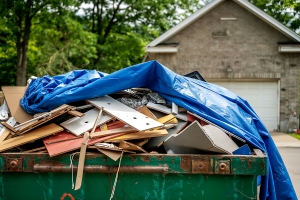
Recycling opportunities exist for many types of debris when kept clean and separated:
- Scrap metal first: steel, aluminum, copper wiring, pipe, metal studs, hardware, and working appliances often return to scrap markets, reducing the need for virgin ore mining. Scrap metal recycling moves hundreds of billions of pounds annually in the U.S., giving this family steady downstream acceptance.
- Concrete, brick, and tile portions: mineral debris can be crushed and reused as aggregate or road-base feedstock at facilities that accept clean mineral-family debris.
- Clean, untreated wood: chipped into mulch or used in composite wood feedstock at facilities that take clean wood without heavy paint or preservative treatments.
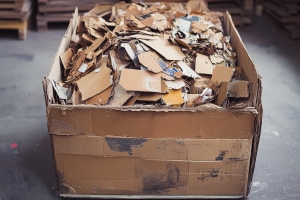
- Cardboard and paperboard: recovered at high rates when kept clean and dry.
- Rigid, dried, and clean plastics: containers such as paint buckets that are fully dried and rinsed may meet facility rules; flexible films or foams need local acceptance checks.
123JUNK’s Donate–Recycle–Dispose™ Process
123JUNK matches staged piles to a sequence of Donate first, Recycle second, and Dispose last.
Our truck crews place reusable fixtures with local donation partners first, → → route clean commodities like scrap metal, crushed minerals, gypsum drywall, clean wood, cardboard, and certain plastics into recycling or crushing streams next, → → and place residual waste in landfills only when the material is significantly treated, painted, or contaminated beyond what local donation or recycling partners accept.
Avoid DIY Pitfalls With Professional Debris Removal
Many homeowners schedule truck rental weekends, assuming one destination works; yet regulations separate the waste types, making one-stop dump runs difficult. Doing it yourself can lead to injury, driveway chips, or rejected curbside piles.
Common DIY Hauling Hazards
- Filled cans or boxes of gypsum, tile, or concrete-like minerals can quickly exceed comfortable lifting limits.
- Loose nails, glass, or metal edges puncture thin bags, gloves, or shoes.
- Disturbing insulation or older coatings releases dust that irritates eyes, lungs, and skin without masks and sealed bags.
- Dense drops from heights can chip driveway edges or damage floors when travel paths are not protected.
Why Hiring Licensed Junk Removal Teams Helps
Licensed crews know which facilities accept which types of materials, load trucks safely to protect property paths, quote pile volume accurately for transparent pricing before loading, and condense repeated weekends of lifting and transport into a single scheduled pickup.
At 123JUNK, our crews provide training in lifting, stacking, and loading. Additonally, we offer protective indoor path coverage, driveway sheet protection for minerals, insured service to reduce homeowner risk if something unexpected happens during loading, and volume-based pricing that keeps quotes predictable and easier to compare before pickup.
Eco-Friendly Disposal Makes a Big Difference
Sustainable debris practices conserve natural resources, save processing energy by avoiding the production of new commodities from scratch, extend material life, and reduce carbon-equivalent emissions associated with manufacturing and landfilling.
Homeowners benefit when the cleanup channels reusable fixtures back into the community and moves recyclable commodities into scrap or crushing streams where local facilities accept them.
Make Cleanup The Easiest Part Of Your Renovation
A remodel finishes on a high note when floors, driveways, or garages are clear of leftover waste. Staging piles by material groups early, using debris hauling services for dense or sharp families, and scheduling a junk removal company like 123JUNK condenses the final chapter into one clean handoff.
Eco-friendly debris removal becomes a community-support moment when reusable cabinets, fixtures, appliances, cardboard, minerals, and clean wood are donated to and recycled through partners before being placed in a landfill. Start your renovation removal today with 123JUNK.
